
uPVC windows are prized for being durable, affordable, low-maintenance and, when fitted with quality double glazing, superb at keeping your home warm and quiet. But have you ever wondered what actually goes into making them?
What Is uPVC?
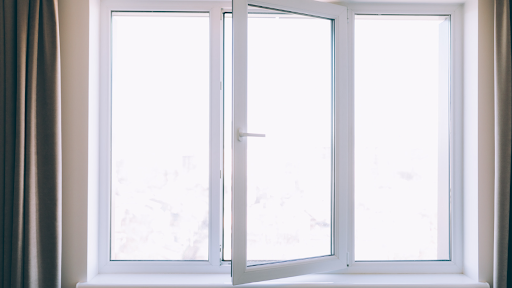
uPVC stands for unplasticised polyvinyl chloride, making it a rigid, hard-wearing form of PVC. The “unplasticised” part is important: unlike the soft, flexible PVC used in things like pipes and cables, uPVC has no added plasticisers, which makes it strong, stable and perfectly suited to window frames.
It’s this rigidity, combined with weather resistance and natural insulating attributes, that makes uPVC one of the best materials available for windows and doors.
1. Mixing the uPVC Compound
The process begins with PVC resin in powder form. On its own, this raw material isn’t ready for use, so it’s blended with a mix of additives:
- Stabilisers protect the material from UV light and heat, preventing it from degrading or discolouring over time.
- Impact modifiers add toughness and resistance to knocks and cracks.
- Pigments give the uPVC its colour.
- Lubricants and fillers help the material flow smoothly during manufacturing and add body.
2. Extruding the Profiles
The stage that turns raw compound into recognisable window frame sections, known as profiles.
The compound is heated until soft and malleable, then forced through a shaped metal die. It takes on the precise cross-section of a window profile as it passes through, including multiple hollow chambers. These chambers trap air, improving thermal insulation and helping to keep your home warmer.
Once extruded, the continuous lengths of profile are cooled in calibration tanks to set their shape, then cut to size.
3. Adding Steel Reinforcement
While uPVC is rigid, larger frames need extra strengthening to stay straight and secure, with galvanised steel reinforcement inserted into the main chamber of the profile. This hidden steel core gives the finished window its structural strength, preventing warping and supporting the weight of the glass.
4. Cutting and Welding the Frame
The profiles are cut to the window’s exact dimensions, with neat 45-degree mitred corners.
The corners are fusion welded, with the cut ends heated and pressed together so the material fuses as it cools. This creates strong, airtight and watertight joints, which is why you’ll notice the welded seam at the uPVC window’s corners. Any excess material is trimmed away for a smooth finish.
5. Fitting the Hardware and Seals
Slots and channels are machined into the profile to house the locking mechanisms, hinges, and handles. Weather seals and gaskets are fitted around the frame to keep out draughts and water, and small drainage slots are added along the bottom to let rainwater escape. Quality windows are fitted with multi-point locking systems at this stage for both security and a tight, weatherproof seal.
6. Glazing the Window
Now the glass goes in. The sealed glazed unit (be it double glazed or, for even better insulation, triple glazed) is placed into the frame and secured with glazing beads that clip firmly into position. Gaskets around the glass create a weatherproof seal and hold everything snugly in place.
7. Finishing Touches and Colour
The window has been finished to suit its style. White is the most popular classic colour, but uPVC can also be made to look like wood or other colours. Each window is checked for quality before it is sold. The same process can be used to make different types of frames, from casement windows and sash windows to tilt and turn and bay windows, all made to precise measurements.
Built to Last, and to be Recycled
One of the great advantages of uPVC is that it’s not only long-lasting but also recyclable. Old frames and offcuts can be reground and reused to make new profiles, which means quality uPVC windows can be produced with sustainability in mind — and can last for decades before they ever need replacing.
Looking for Quality uPVC Windows?
Understanding how uPVC windows are made makes it clear why choosing well-manufactured, professionally fitted windows matters so much. Browse our full range of windows or get in touch for a free, no-obligation quote, and we’ll help you find the perfect fit for your home.