
A good sealed unit keeps the cold and noise out, and helps lower your energy bills year after year. But like anything else in your home, it doesn’t last forever. Over time, the seals can deteriorate, moisture can infiltrate the system, and components that were expected to last may fail unexpectedly, often unnoticed until heating bills begin to increase. The good news is that failed double glazing usually gives you plenty of warning signs. Here’s everything you need to know about how to tell if your double glazed windows or double glazed doors have failed.
How Double Glazing Actually Works
A sealed unit is made up of two panes of glass separated by a spacer bar, with a cavity in between. That cavity is usually filled with an insulator such as argon. The spacer bar contains a drying agent (desiccant) that keeps the cavity moisture-free, and the whole thing is bonded together with a durable airtight seal.
When that seal fails, everything changes. The gas escapes, moisture gets in, and the pocket of insulation that made your windows so efficient is gone.
The Warning Signs Your Double Glazing Has Failed
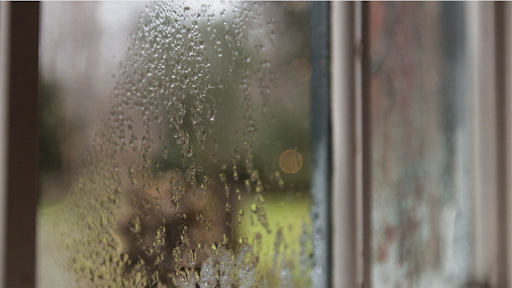
Condensation or misting between the panes. This is the classic. If you can see foggy condensation or droplets inside the glass, the seal has failed, and moisture has got into the cavity.
A hazy or cloudy film you can’t clean off. Sometimes failure shows up as a permanent milky haze rather than obvious droplets. If a window looks dull or smeared no matter how well you clean it, the problem is almost certainly between the panes.
Chalky streaks or watermarks on the glass. As trapped moisture evaporates and condenses over and over, it can leave behind chalky residue, streaks or tide-mark stains inside the unit.
Noticeable draughts. If you can feel cold air around a closed window, the seals or gaskets may have perished, or the unit may have shifted in the frame.
Cold spots and rising heating bills. When a sealed unit loses its gas fill and insulating properties, rooms become harder to heat and stay warm. If certain rooms feel colder than they used to, or your energy bills are creeping up for no obvious reason, your glazing could be the culprit.
More outside noise than before. A well-performing double-glazed window is great at reducing noise. If the outside world suddenly sounds louder indoors, the acoustic barrier created may have broken down.
Damaged seals, gaskets or frames. If the edges around your windows are cracked, brittle or peeling rubber seals, gaps where the frame meets the wall, or warped and swollen frames, the unit is failing.
Water pooling or leaks on the sill. Moisture collecting on the windowsill, damp patches on the surrounding wall, or visible leaks point to a failed seal that’s no longer keeping water out.
Distorted or bowing glass. In some cases, changes in the pressure inside a failed unit can cause the glass to look slightly warped, bowed, or distorted, especially when viewed at an angle.
Why Does Double Glazing Fail?
There’s rarely a single cause. More often it’s a combination of factors that build up over the years:
Age and general wear. Even the best sealed units have a lifespan. Many last well over twenty years, but the seals gradually degrade with time and eventually give way.
Seal breakdown. The airtight bond that holds the unit together is the first line of defence — and the first thing to fail. Once it goes, moisture and air movement follow.
Loss of inert gas. As the seal weakens, the argon gas slowly leaks out and is replaced by ordinary air (and moisture).
Poor initial installation. Units that weren’t fitted correctly, or that were forced into frames that don’t suit them, tend to fail far sooner than they should.
Weather and temperature swings. Constant expansion and contraction from heating up and cooling down put stress on the seals. In a climate like Scotland’s, with plenty of rain, wind and temperature changes, that pressure adds up quickly.
Can Failed Double Glazed Windows and Doors be Replaced or Repaired?
It depends. If the frame is still solid, secure and in good shape, it’s often possible to replace just the sealed glass unit rather than the entire window. A more cost-effective option that restores the insulation without a full replacement.
However, if the frame itself is warped, rotting, draughty or simply old, replacing the whole window is usually the better long-term investment. It’s also the perfect opportunity to upgrade. Modern A-rated double glazed windows and double glazed doors are far more energy efficient than older units, and low-maintenance uPVC windows and doors will keep their appearance for years with minimal effort.
Get an Expert Opinion
If you’ve spotted any of the warning signs above, the best thing to do is have your windows assessed by a professional. At Art Windows and Doors, we’ve been fitting and replacing windows across Glasgow, Paisley and the West of Scotland for over 50 years. If your double glazing isn’t performing the way it should, get in touch for a free, no-obligation quote.